
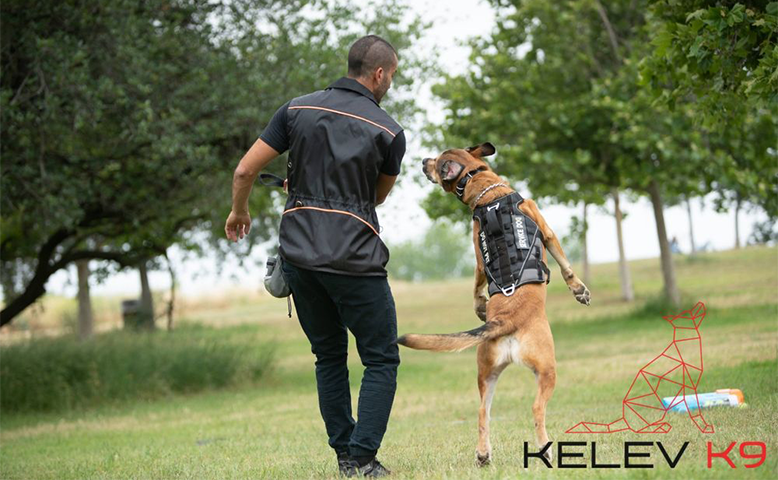
Stay & train means your dog lives with a trainer for a set time and practices manners every day. It is not magic, and it is not only about tricks. It is about daily habits like calm walking, waiting at doors, and settling when people are busy. Many dogs struggle because practice at home is uneven. One day rules are firm, the next day they change. In a stay & train program, the plan stays the same from morning to night. Skills are taught during meals, walks, play, car rides, and rest. The trainer tracks progress and adjusts the plan, so your dog can succeed. When your dog returns home, you get a clearer path to keep the behavior going.
A Steady Routine Builds Polite Daily Habits
Dogs do well when the day follows a clear pattern. In stay & train, wake-up time, potty breaks, meals, walks, and rest happen on a simple schedule. This matters because behavior links to what happens next. If your dog sits and the leash clips on right away, sitting starts to feel worth doing. If jumping never earns attention, jumping fades. Routine also supports the body: regular sleep and exercise can lower stress and help dogs think before they act. Trainers also add calm rest periods so dogs do not stay “on” all day.
Routine work often includes:
Crate or “place” time to practice calm resting
Potty trips at set times to reduce accidents
Meal manners like “wait,” then “take it”
Copying the same schedule at home helps the habits stick over time.
Short Sessions Help Dogs Remember Cues Better
Most dogs learn better in small lessons than in one long drill. Stay & train programs use short sessions spread through the day, often 5–10 minutes at a time. This is called spaced practice. It helps memory because the brain gets breaks between tries. It also keeps your dog from getting tired, which can lead to sloppy reps.
Trainers grow skills in three simple parts:
Duration: how long your dog holds the cue
Distance: how far you can step away
Distraction: what else is happening nearby
By raising only one part at a time, the dog succeeds more often. Over time, cues like sit, down, come, and loose leash walking start working during normal life, not only in quiet rooms, like the park or a busy sidewalk.
Early Fixes Stop Small Problems From Growing
Small slips can turn into big habits if no one fixes them. A slow creep on “stay,” a tiny tug on the leash, or a soft whine in the crate can grow with practice. In stay & train, the trainer sees your dog all day, so these issues get handled right away.
Timing matters. If a reward comes late, the dog may link it to the wrong action. Trainers often use a clicker or a marker word like “yes” to mark the exact second your dog did it right. They also use fair rules, like stopping forward motion when the leash goes tight, every time.
Common early fixes include:
Rewarding only when paws stay on the floor
Resetting a stay before it breaks
Teaching “drop it” before guarding starts
Manners Get Practiced During Real Daily Life
A dog may sit nicely in class, but forget at home. That happens because dogs do not always connect a cue with new places. “Sit” can start to mean “sit in that room.” Stay & train helps because skills are practiced across normal life: doorways, visitors, grooming, car rides, and feeding time.
Trainers often run short real-world tests, like walking past another dog at a safe distance and rewarding calm focus. This builds the habit of checking in with the handler instead of reacting.
Daily manners commonly include:
Waiting at the doors so no one gets bumped
Ignoring food on the ground during walks
Settling on a mat while people eat
When your dog repeats these skills in many places, the behavior turns into a habit, not a one-time trick.
Planned Social Setups Build Calmer Interactions Today
Some dogs get too excited, worried, or pushy around others. Stay & train can build safer social habits because the trainer controls the setup. Instead of random meetings, the dog practices around calm dogs and steady people, with enough space to stay relaxed.
A useful technical idea is a threshold. If a dog is barking, lunging, or freezing, they are often over threshold. Trainers use distance and slow steps to keep the dog under threshold. The dog practices looking at the trigger, then choosing a better action like turning back, sitting, or sniffing.
Social work may include:
Calm leash walks near other dogs, not face-to-face
Greeting rules: sit first, then say hello
Handling practice: ears, paws, brushing, towel drying
Planned reps teach your dog that calm choices lead to good outcomes.
Clear Rewards And Rules Reduce Confusion Quickly
Stay & train works when your dog gets clear signals. Most programs use rewards like food, play, and praise to build the actions you want. This is positive reinforcement: a good thing happens after a good action, so that action shows up more.
The trainer also sets fair rules, so problem behavior stops paying off. If pulling never leads to moving forward, pulling loses its purpose. If jumping never earns attention, jumping drops. This is calm cause and effect.
Trainers teach tools that make cues clearer:
Lure, then fade: guide with food, then remove it over time
Hand target: touch a hand to build focus and easy moves
A release word like “free” so the dog knows when done
When the pattern stays steady, dogs relax and listen more easily.
Owner Handoffs Make Skills Work Back Home
A common worry is, “Will my dog only listen to the trainer?” Good stay & train programs plan for transfer, so your dog learns the same cues from you. Near the end, the trainer shifts the practice to the owner’s handling step by step.
A solid handoff plan may include:
A lesson where you copy the trainer’s timing and leash steps
Written homework with a simple daily plan
Short video demos so you can check your form
This matters because training is also a human skill. Many owners repeat cues too much, reward too late, or move too close to distractions. With coaching, you learn how to set up easy wins, then slowly make tasks harder. That makes it more likely the new manners will last at home.
Safety Cues Protect Dogs In Busy Places
Obedience is not only about being polite. It can keep your dog safe. A strong recall can stop a dog from running toward a road. “Leave it” can stop a dog from eating something harmful. “Stay” can keep a dog steady while a door opens.
Stay & train builds these cues with careful steps and many reps. Trainers start with easy setups, reward success, and slowly add distractions. They also teach leash skills that reduce strain by rewarding the dog for staying near you and turning away when the leash tightens.
Safety-focused goals often include:
Recall (“come”) built with rewards
Leave it and drop it for food, toys, and found objects
Place or settle to keep the dog out of busy paths
These skills lower the risk during walks, visits, and errands.
Conclusion: Keep progress going after the program
Stay & train can jump-start obedience and manners because practice happens all day with steady rules and clear timing. The key is what happens next at home: keep sessions short, reward at the right moment, and practice in many places so skills hold up around distractions. If you want a structured plan and guidance for both you and your dog, Kelev K9 offers stay & train programs for dogs. With a clear handoff and simple homework, your dog’s new manners can stay part of daily life.